


Entity SEO for Startups: How to Win AI Search, Knowledge Graphs, and Discovery Engines
TL;DR
Entity SEO helps startups get discovered by A
I search engines by clearly defining who they are, what they do, and how they relate to other concepts. Instead of chasing keywords alone, startups must optimize for entities, structured data, and semantic clarity. This guide explains how Entity SEO works, why it matters for AI-powered discovery, and how startups can implement it step by step using practical workflows and tools like DomainGenerator.
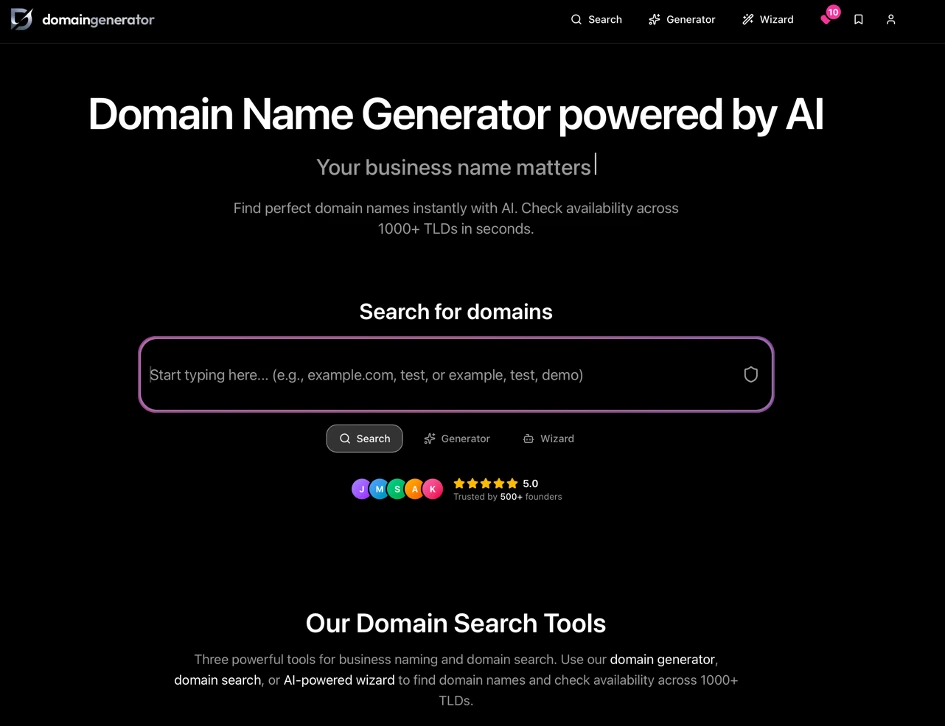
Are you looking for a perfect brand domain? - Search & Generate 1,000+ Domains Instantly with AI
Startups no longer compete only on keywords. They compete on meaning. Entity SEO is the practice of structuring your brand, product, people, and content so search engines and AI systems understand who you are, not just what words you rank for. For early-stage companies, this shift is existential. AI-powered discovery systems increasingly decide whether your startup appears in answers, summaries, and recommendations.
What Is Entity SEO and Why Keywords Alone No Longer Work
Entity SEO focuses on identifiable things instead of isolated phrases. Search engines now map brands, products, people, and concepts inside massive knowledge graphs. When users ask AI-powered systems questions, those systems retrieve entities first and only then reference supporting content.
Definition – Entity SEO
Entity SEO is the practice of optimizing a brand’s identity, content, and structured data so search engines and AI systems recognize it as a distinct, authoritative entity within a knowledge graph.
Definition – Knowledge Graph
A knowledge graph is a structured database that stores entities and the relationships between them, enabling machines to understand meaning rather than relying on keyword matching.
Definition – Semantic Search
Semantic search interprets user intent and context by using entities and relationships instead of exact keyword strings.
Why Entity SEO Matters More for Startups
Enterprises already exist as entities with years of citations and brand signals. Startups do not. Entity SEO allows startups to accelerate recognition by clearly defining category, positioning, and relationships early.
Stat: Over 68 percent of Google searches now end without a click, meaning visibility often happens inside AI answers and SERP features, not websites.1
How AI Search Engines Use Entities
- Entity recognition: Identifying brands, products, people, and concepts
- Entity disambiguation: Determining which entity is meant
- Relationship mapping: Understanding how entities connect
- Authority weighting: Evaluating trust signals and citations
- Answer generation: Producing summaries or rankings
Stat: Google’s Knowledge Graph contains billions of entities and trillions of relationships.2
What Counts as an Entity for a Startup
Startups should define multiple entities early to help AI systems build context.
- Company name
- Product name
- Founder names
- Category or market
- Core problem solved
- Underlying technology
Entity SEO vs Traditional SEO
| Dimension | Traditional SEO | Entity SEO |
|---|---|---|
| Primary unit | Keywords | Entities |
| Ranking focus | Pages | Meaning and relationships |
| Authority signals | Backlinks | Citations and entity trust |
| AI visibility | Low | High |
| Startup leverage | Limited | Strong |
Step-by-Step Entity SEO Framework for Startups
- Choose an entity-clear domain: Avoid ambiguous or overloaded names. DomainGenerator’s AI domain generator helps founders explore brandable domains aligned with real market entities while checking live availability.
- Define your entity graph: Clearly state who you are, what category you belong to, and what problems you solve across your homepage and About page.
- Implement structured data: Use Organization, Product, and Person schema to make facts machine-readable.
- Build entity-based content clusters: Create pillar pages around core entities and support them with related subtopics.
- Earn entity citations: Focus on mentions, listings, and references, not just backlinks.
Stat: Unlinked brand mentions still contribute to entity authority.4
Where DomainGenerator Fits Into Entity SEO
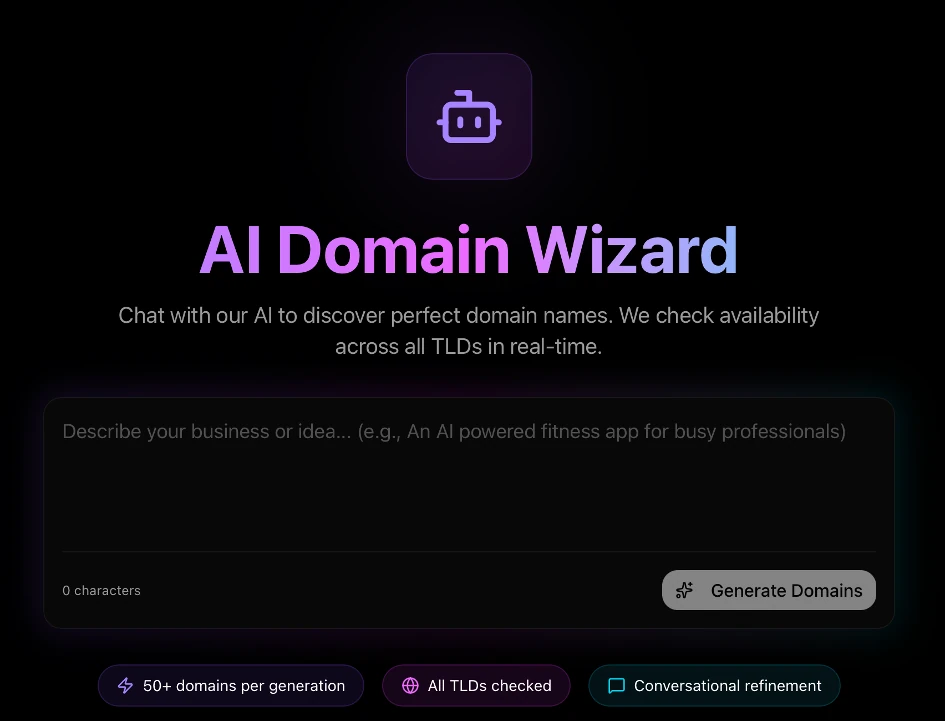
DomainGenerator is an entity alignment layer for startups. Its AI domain generator allows founders to test naming ideas against category context, avoid entity collisions, and secure domains that reduce long-term disambiguation risk.
Mini Case Study: From Invisible Startup to AI-Discoverable Brand
Problem: A pre-seed SaaS startup failed to appear in AI-generated answers despite publishing content.
Action: The team clarified category language, switched to an entity-clear domain, added structured data, and rebuilt content around core entities.
Outcome: Within 90 days, branded searches tripled and the startup appeared in AI-generated tool lists.5
Common Entity SEO Mistakes Startups Make
- Choosing clever but ambiguous brand names
- Targeting multiple categories at once
- Ignoring structured data
- Publishing unfocused content
- Rebranding without cleaning up entity signals
FAQ About Entity SEO
What is the difference between entity SEO and semantic SEO?
Entity SEO focuses on identifiable things, while semantic SEO focuses on meaning and intent built on top of entities.
Can startups succeed without Entity SEO?
Yes, but AI visibility and long-term discoverability will be weaker and less stable.
Does Entity SEO replace keyword research?
No. Keywords support entities rather than replace them.
How long does Entity SEO take to work?
Initial recognition can happen in weeks, while authority compounds over months.
Is structured data mandatory?
It is not mandatory, but it dramatically accelerates understanding.
Do startups need a Wikipedia page?
No. Many entities exist without Wikipedia if they are cited elsewhere.
How does domain choice affect Entity SEO?
Domains influence disambiguation and brand clarity, especially for new entities.
Can small teams implement Entity SEO?
Yes. Entity SEO often requires less content but more precision.
Risks, Limits, and Trade-Offs
Entity SEO does not guarantee rankings, takes time to compound, and requires early precision. Poor naming and unclear positioning are costly to reverse.
Key Takeaways
- Entity SEO determines who exists in AI search
- Startups must define meaning early
- Domains are foundational entity signals
- Structured data accelerates understanding
- Entity clarity reduces long-term SEO risk
Next step: Use DomainGenerator’s AI domain generator to explore entity-aligned domain names before scaling content and brand visibility.
